Copyright © 2026 Cachet Export All rights reserved.
Powered by AGTS

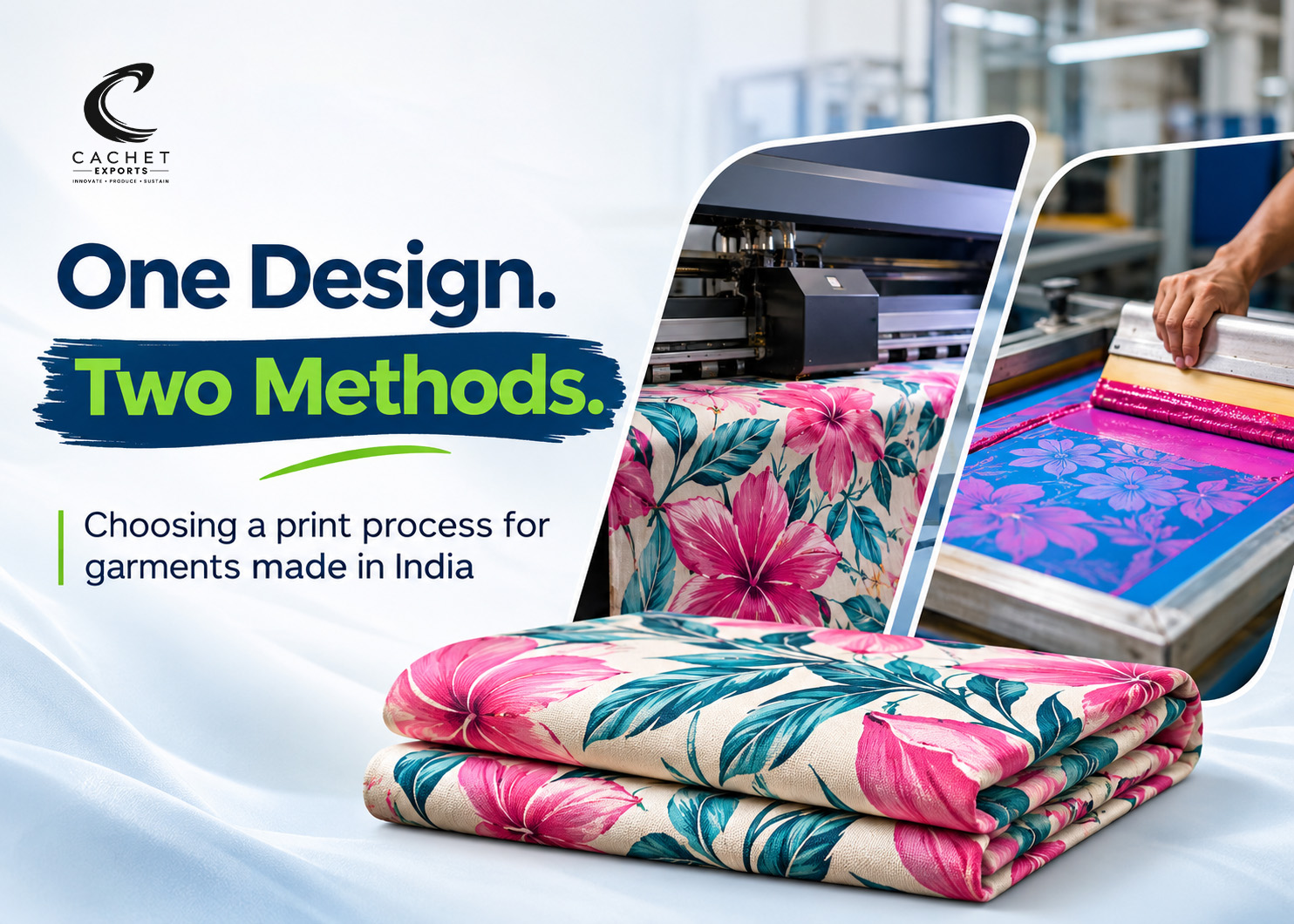
On a mood board, a print may appear as it did intended, but quite a bit different when it's on fabric. Two identical designs manufactured in two different ways will produce different colour depths, edge sharpness, hand feel and may not be consistent when reordered. For brands collaborating with printed garment manufacturers in India, deciding between screen printing and digital printing is one of the initial manufacturing choices, and one of the most critical. It has an impact on sampling, cost
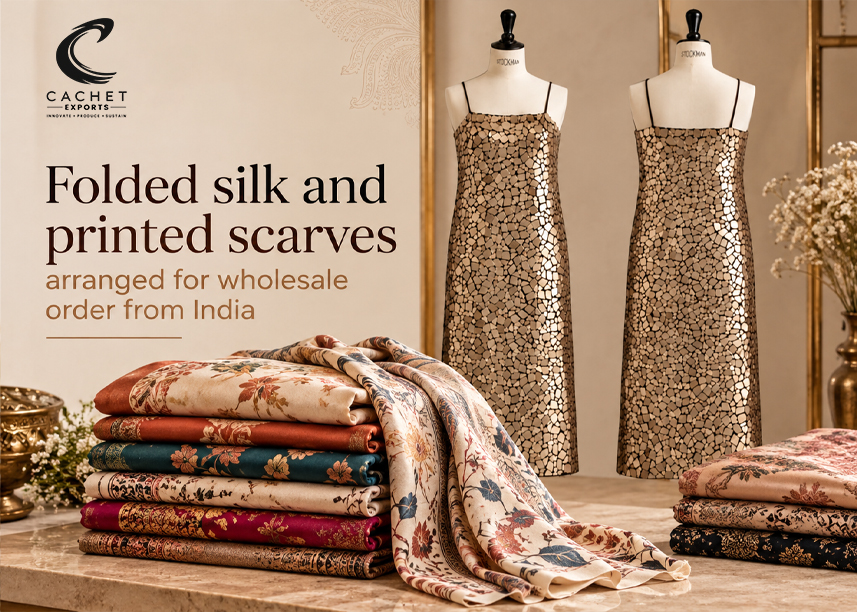
The samples look right, the conversations have been easy, and you're ready to place your first order for wholesale scarves from India. This is exactly the moment to slow down for a day and put the terms in writing. Many issues with wholesale scarf orders have nothing to do with the quality of the product. They're from items that you don't agree upon clearly at the beginning: a scarf that comes some centimetres short, a colour that is close but not exactly what you were expecting, a shipment tha
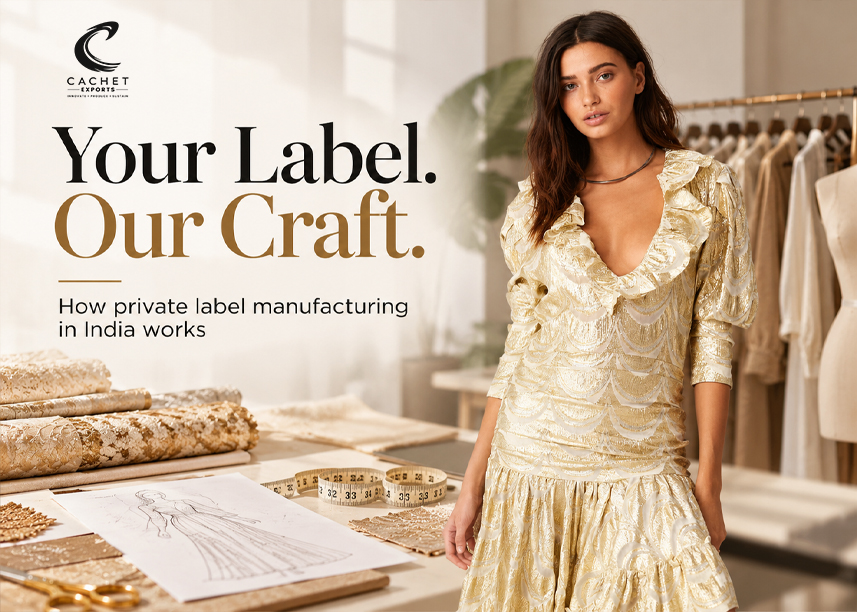
Private label manufacturing involves a fashion brand selling clothing under a different name, but still utilizing the same factory. It is the brand that provides the design and the label, and the manufacturer who produces, samples, develops, and packages according to the brand's specification. If it is done right, nothing is visible of the garment's maker; the only thing visible is the brand name through which it is sold. India is one of the oldest markets to do this, especially if you're looki
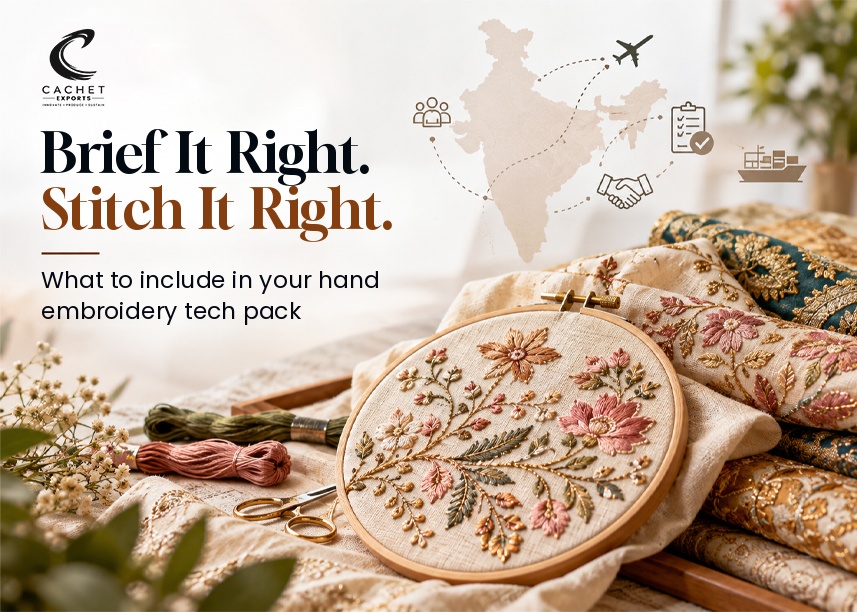
When you're looking to make your first embroidery sample, you need to get the brief to do most of the work. This means include a tech pack that includes a way of approving samples, actual size artwork, placement, technique of each motif, thread and embellishment information, colour reference and fabric information. Here is something sourcing teams don't always hear: when a sample comes back wrong, the stitching is rarely the problem. Usually, the brief was too loose. Think about what happens
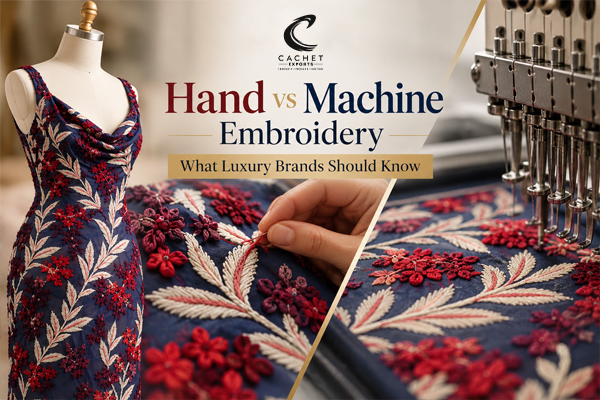
Most sourcing conversations about embroidery start with the supplier. But conversations about the technique should begin one step earlier. The choice between hand embroidery, machine embroidery or a combination of the two will influence virtually every subsequent stage—from the finish of the garment and its price to sample turnaround, bulk-production consistency and the type of manufacturer best suited to the project. India is one of the few sourcing destinations where brands can get both at
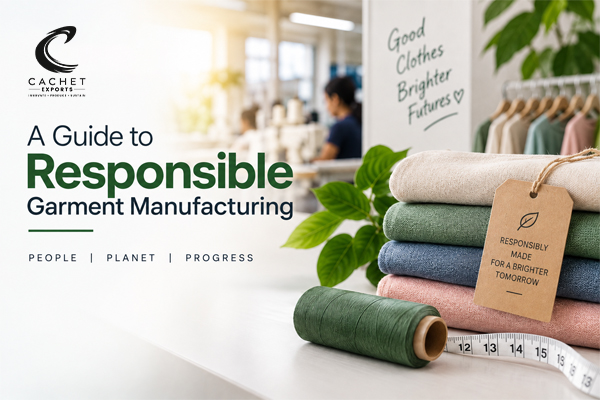
Choosing the sustainable garment manufacturer in India is a critical choice for fashion brands and international buyers. Social responsibility, sourcing materials, quality, environmental impact, certifications and transparency in the supply chain are some of the other items that need to be considered in addition to cost and manufacturing capacity. India has a strong base of textile and apparel manufacturing which accounts for the world's top classy brands. However, each manufacturer is differ
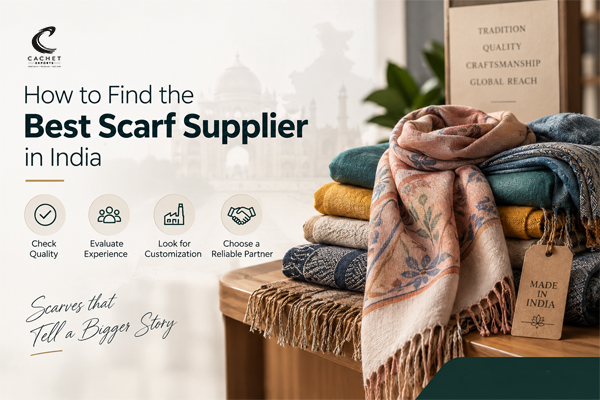
Indian scarf suppliers are known for their centuries-old textile expertise, the variety of materials they have and their manufacturing prowess, which makes them an appealing option for international fashion brands. However, not all scarf manufacturers have the ability to meet export demands on a consistent basis. When it comes to finding the right supplier as a sourcing manager, boutique owner or luxury buyer, there are a few factors that are easy to miss during initial research. From certifi
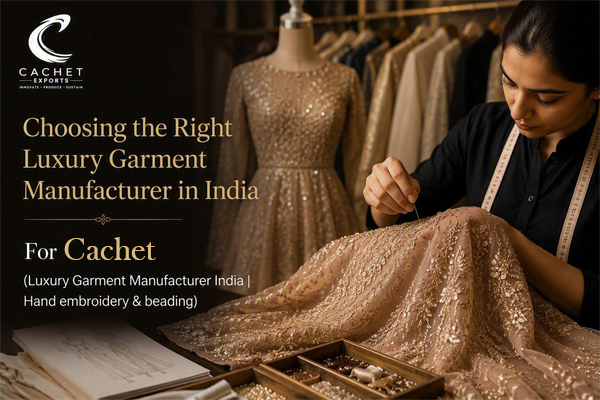
International fashion brands have always depended on techniques, textiles, and even hand craftsmanship from India that is hard to find elsewhere. However, there is a lot of variation in the quality, compliance and reliability of this market. Finding the right overseas supplier is the hardest part for a sourcing manager or brand founder when considering overseas suppliers. This guide sets out the criteria that matter most when selecting a luxury garment manufacturer in India, with combination
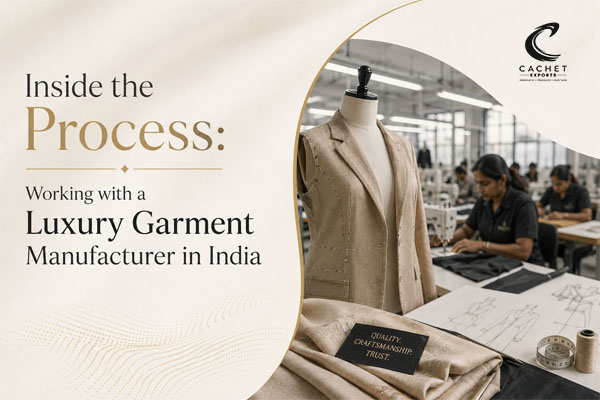
Look for a garment manufacturer in India and the options are so wide, from a small job-work unit to a fully export certified garment manufacturing unit handling an entire collection from start to finish. All of them use the term "luxury clothing manufacturers India" or "luxury garment manufacturer in India," making it difficult to compare them in terms of their labels. The important thing is to know what kind of operation you are looking at, what embroidery and craft ability is like at the top e
"Exporter" is one of the easiest words to claim and one of the hardest to verify. Plenty of companies describe themselves as a hand embroidery garments exporter in India without manufacturing anything — they take a brief, route it to whichever workshop has capacity, and manage the paperwork in between. For a buyer, the finished garment can look identical either way. The difference only shows up later, in consistency, accountability, and how quickly problems get resolved when they arise. This p
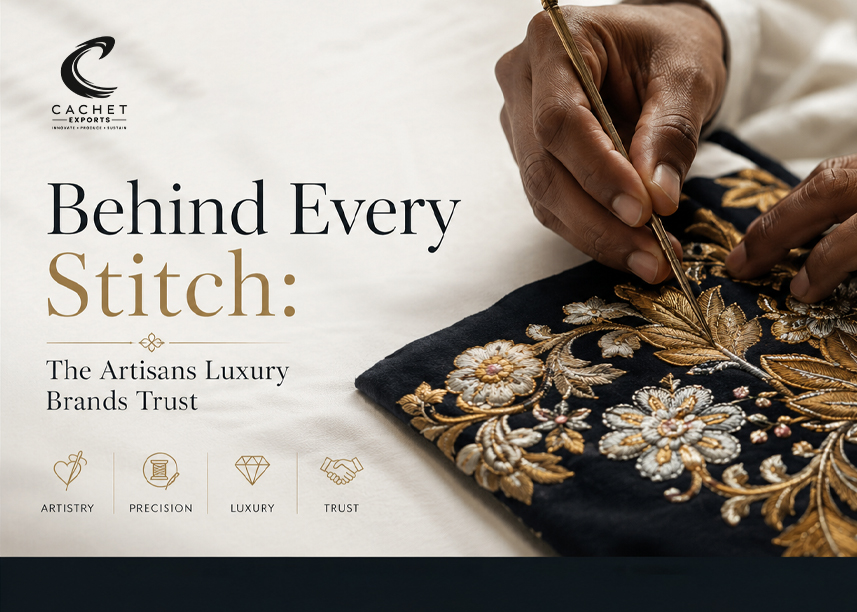
A hand-embroidered sample can look extraordinary and still come from a supply chain no one can account for. That gap — between what a swatch shows and what a factory can prove — is where most sourcing decisions in luxury embroidery go wrong. Indian hand embroidery has moved from a background credit to a public one. Fashion houses that once kept their Indian ateliers quiet are now naming them. That shift has made buyers more comfortable searching openly for an embroidery export house in Indi
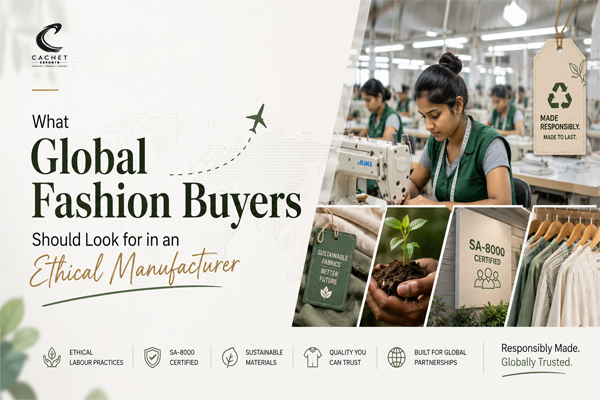
Every sourcing brief seems to include the word "ethical" now. Every supplier claims it. And somewhere between the RFP and the factory floor, the word has stopped meaning very much at all. If you're a sourcing manager or sustainability director evaluating manufacturers in India, "ethical" isn't a checkbox — it's shorthand for three or four separate things you need verified. Knowing what those things are makes supplier evaluation faster, and makes it much harder for a factory to talk its way pa
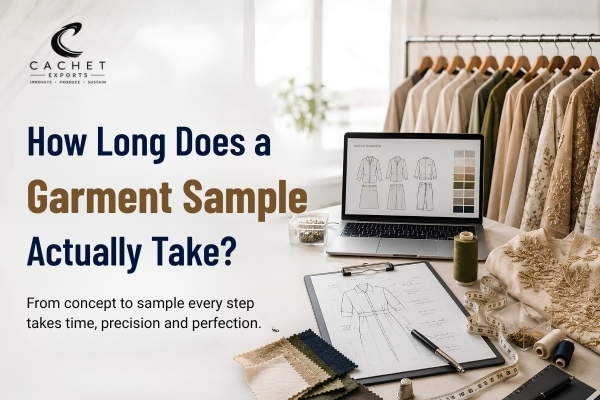
If you're evaluating garment suppliers in India, one of the first practical questions you'll want answered isn't about pricing — it's about time. Specifically: how long before you hold a sample in your hands, and how many rounds should you expect before it's right? The truth is that the amount of time it takes to sample is highly dependent on the type of garment, embellishment work, sourcing fabric, and how many rounds of revision a design requires. The following are industry typical ranges a
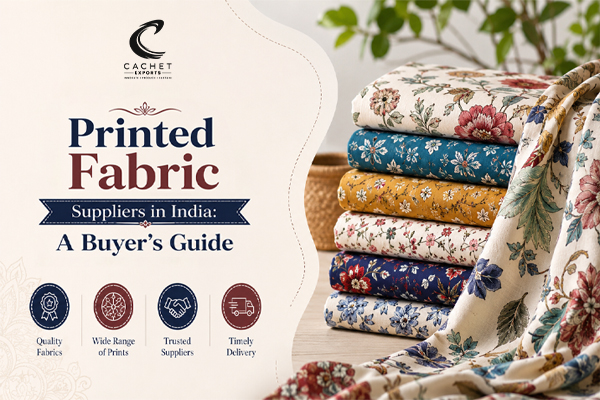
India has emerged as one of the world's most reliable sources to get printed textiles, whether it is a small batch designer run or a large order for international retail chains. For international companies making their first contact the market can be quite daunting, however, and thousands of mills and agents tout their skills and services. This guide explains how a reliable printed fabric supplier in India stands out from the crowd and what you need to look for before entering into a contract.

Choosing a luxury garment manufacturer in India is a choice that can have an impact on the brand's product quality, delivery efficiency and reputation for years. When sourcing managers and founders are considering manufacturing for the first time in India, or even rethinking a supplier, the details don't stop there. These encompass certifications, embroidery skills, quality control, and if a factory can be trusted with a brand's name. This guide covers what to look for in a luxury garment manuf
For most of the last two decades, a buyer could treat labour conditions as a supplier's private business. That era is over. If the garment comes up in a news cover or an NGO report, it is the brand on the label that suffers, not the factory, three steps away on the supply chain. Social compliance is no longer a marketing and values statement on a company's website, it has become a requirement of doing business and the best way to prove this is to have an independent third-party certification, no
Copyright © 2026 Cachet Export All rights reserved.
Powered by AGTS