Copyright © 2026 Cachet Export All rights reserved.
Powered by AGTS

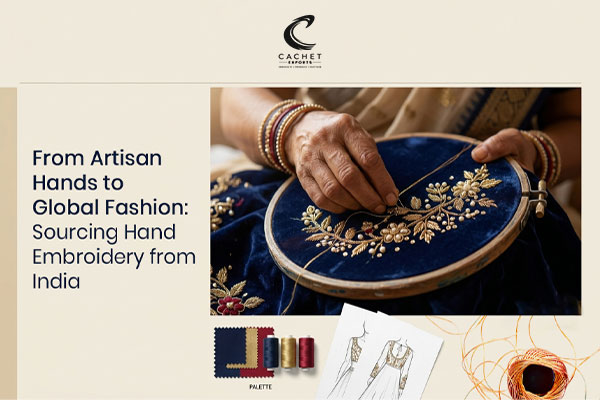
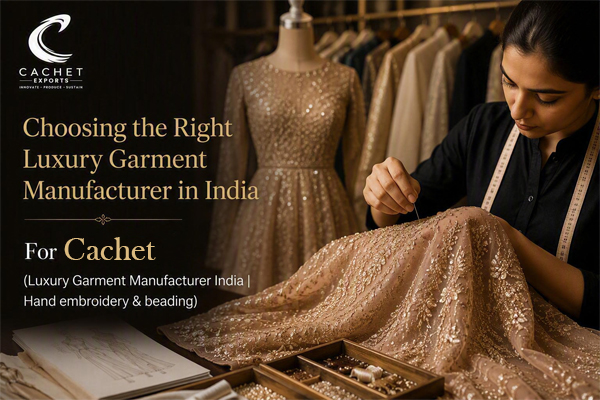
Hand embroidery has a long history of craftsmanship and luxury, as well as timeless design. Embroidered elements remain a significant value and distinction in the products that are sold around the world, from luxury fashion collections, bridal attire to home fabrics and accessories. When it comes to hand embroidery, India is one of the most trusted places in the world for sourcing this type of embroidery.
The nation's skilled craftsmanship, varied embroidery heritage, large-scale production potential, and globally standardised factories are the perfect mix. But to find a supplier is not enough to be successful in sourcing. To make a successful product comes in a timely and cost-effective manner, it is essential to be aware of the embroidery techniques, production time, quality standards, and compliance rules.
This guide will discuss sourcing of hand embroideries in India and the things a buyer must consider before ordering their first-hand embroidery from India.
India has many recognized embroidery practices that have been in use and developed over centuries. These techniques are now used in contemporary fashion, luxury clothing and accessories and in textiles.
Indian hand embroidery is quite appealing to overseas customers because of the blend of:
Many of the established manufacturers are certified (SA-8000) and many work with brands that demand ethical sourcing, transparent production processes, and are export ready with documentation.
You need to decide which hand embroidery style is suitable first before you approach a hand embroidery manufacturer.
Aari (Tambour) Embroidery
Aari embroidery is done by hooked needle and it has the power to stitch continuous chain with great accuracy. It's pretty much used for floral designs, textured surfaces, sequins, and bead embellishments. Popular applications include:
Popular applications include:
Zardozi is a traditional form of metal embroidery that involves the use of metal threads, wires, beads, and other decorative materials.
It is particularly suited for:
It is one of the most unique embroidery styles, owing to its rich visual appearance.
The running stitch and the handmade texture are the features that distinguish Kantha.
Common applications include:
It is handmade, adding a customization to its aesthetic.
Chikankari is done by using a fine technique of hand stitching to produce beautiful patterns and texture.
It works particularly well for:
Hand embroidery, sequins, crystals and decorative accents are also available from many embroidery manufacturers.
These methods are often employed when making high-end and luxury finishes for clothes and accessories.
When you're not sure which is the right embroidery style for you, order a swatch package from the manufacturer before starting product development.
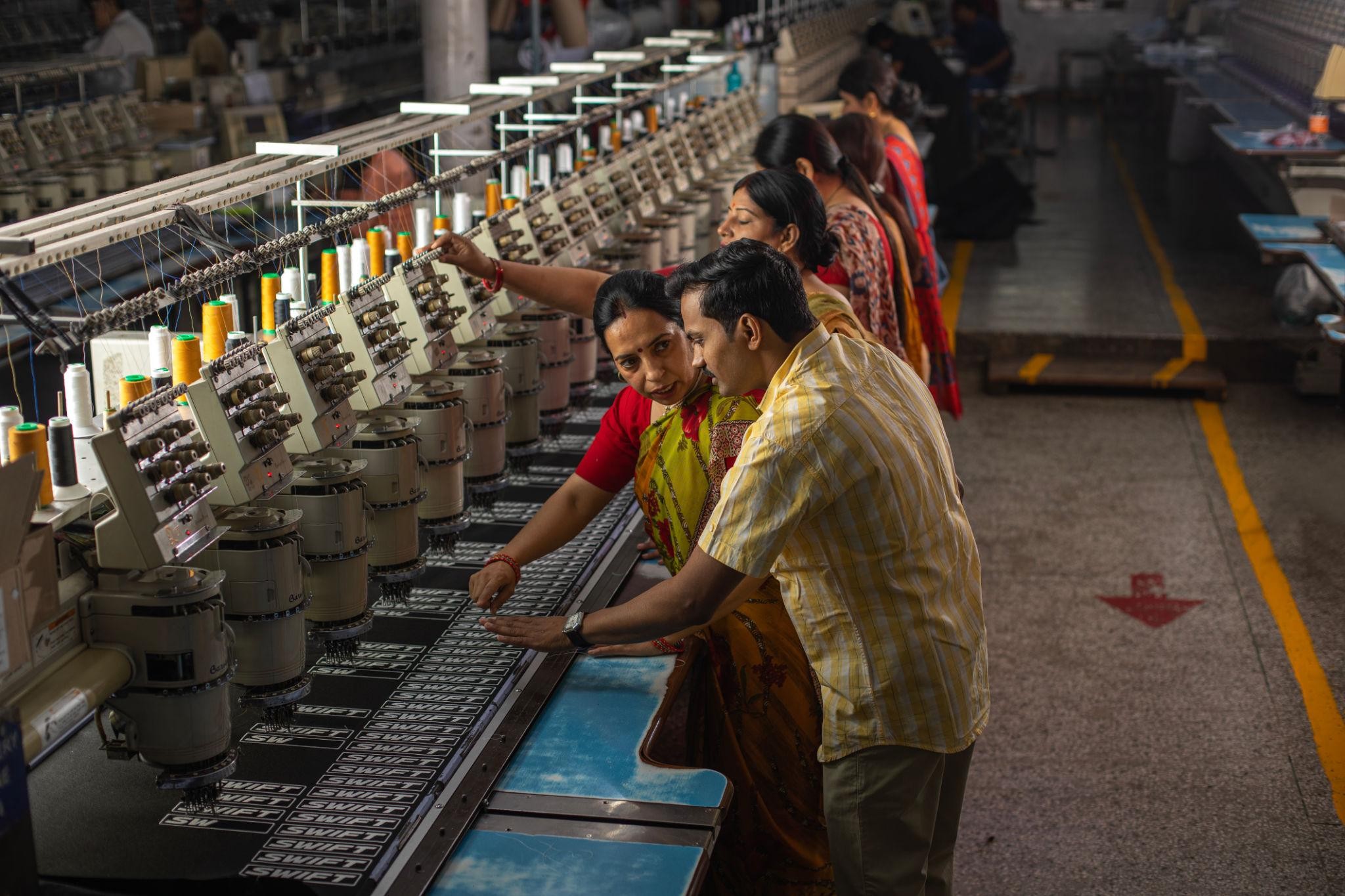
Hand embroidery is labour intensive, so this is a factor to consider for production schedule and order quantities.
Most embroidery companies provide sampling services prior to manufacture.
Typical sampling timelines:
Some suppliers may assess sampling fees and others may factor these costs in as a deducted from actual production orders.
MOQs will vary according to the products and complexity of the embroidery.
Typical ranges include:
The density of stitches, needs of embellishment and volume of orders are key factors in scheduling production.
General timelines:
Ideally, brands should start sourcing and product development several months in advance of launch or delivery dates.
Checking compliance is an essential component of a supplier evaluation.
One of the most popular social accountability standards in the textile and apparel sector is SA-8000.
The certification covers:
Valid SA-8000 certified manufacturers have been independently third party audited.
Existing export manufacturers may have recognised export certification from the government, which provides an assurance of regular exporting experience and compliance.
These credentials can indicate:
If your collection is made of certified materials like organic cotton or responsibly sourced fibres, ensure that the manufacturer can process these materials while upholding the necessary certification requirements.
A good supplier will be open to:
If you see transparency, then you've got a good manufacturing partner.
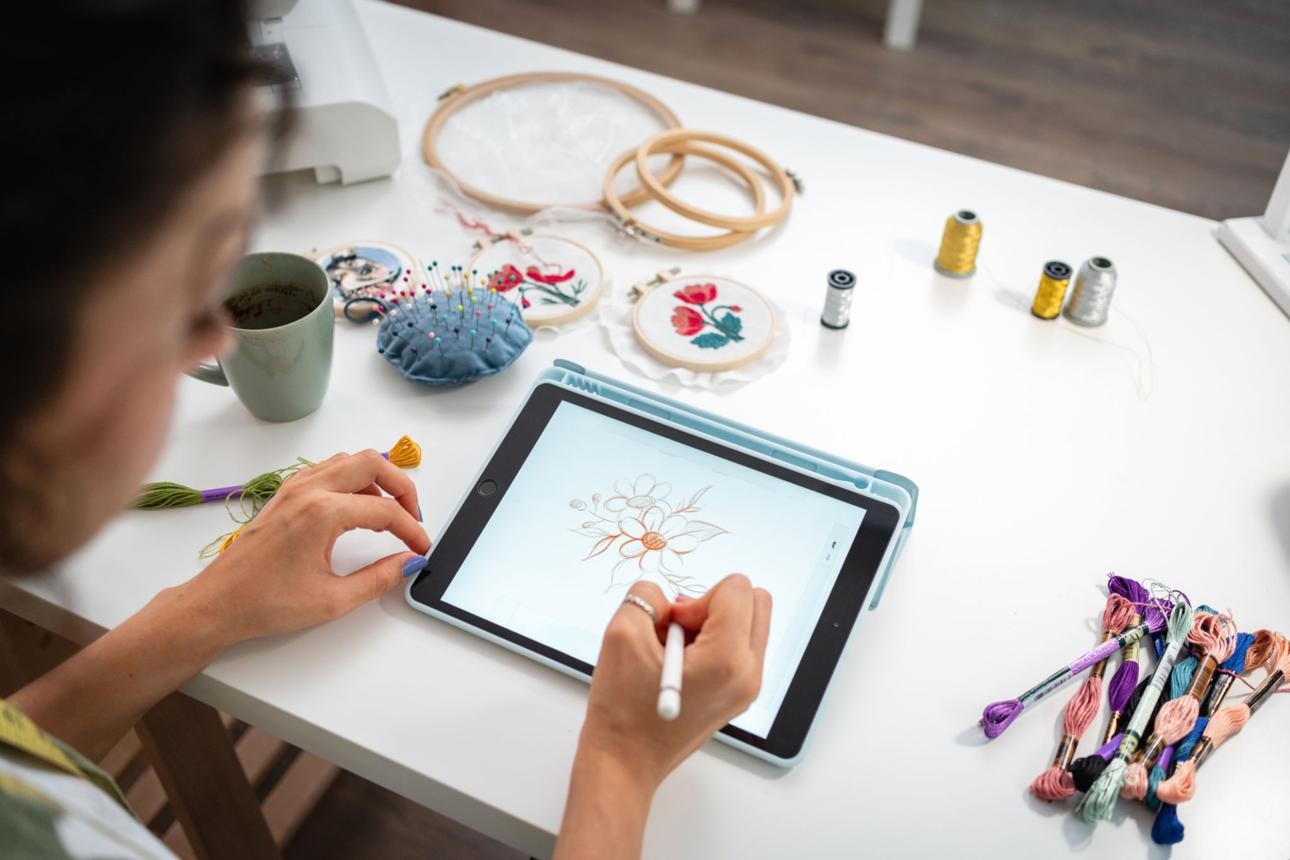
A clear brief enables manufacturers to be aware of your expectations and helps to make samples as accurate as possible.
If possible, provide the following information:
Including all the information from the beginning decreases revisions and speeds up development timelines and ensures smoother collaboration with the best embroidery garment manufacturer India
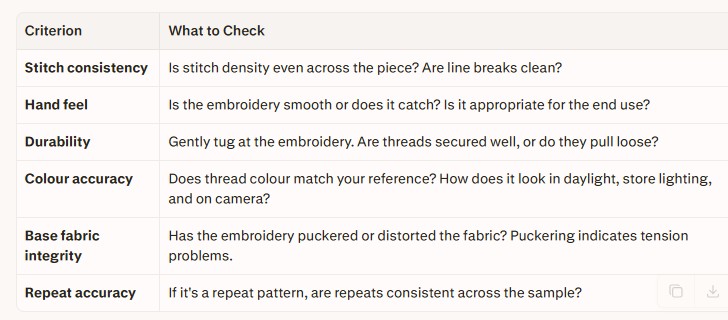
Thoroughly analyze any sample before approving bulk production.
Check whether:
Check the base fabric for:
Quality of the embroidery should not be at the expense of the fabric.
Inspect:
Light testing can be used to detect potential problems with durability prior to manufacture.
Make comparisons between embroidery thread and approved embroidery, using various lighting sources.
If it's a repeat design, be sure that motifs are uniform across the sample.
Manufacturers will be helped in making effective revisions with detailed written feedback, backed by photographs.
Sometimes low prices are a sign of quality reduction in craftsmanship, quality of thread, stitch density, or working conditions.
The quality of embroidery is an element that adds to the value of the final product.
Hand embroidery cannot be done as fast as machine embroidery. Realistic production time allows for maintaining quality standards.
Failure to audit the practice of compliance and ethics in production processes can lead to risk of reputation and operations. Before placing production orders, always ask to see records and do your due diligence.
For a new supplier, start with simple projects to evaluate the communication, quality, and reliability of the supplier before moving onto more complex designs.
Finding a manufacturing partner with a combination of artisans and professional production systems is a key to successful embroidery sourcing.
A proficient hand embroidery manufacturer will supply:
Brands can develop unique embroidered collections that align with both quality and business goals by investing time in the selection of their suppliers and in the creation of their samples.
Looking for a trusted hand embroidery manufacturer in India?
Cachet Exports has served fashion brands, designers & textile buyers from all around the world with their knowledge on Aari embroidery, Zardozi, Kantha, beadwork & development of hand embellished textiles.
From creating new collections to consideration of embroidery for future projects, our team can offer samples, technical advice and end to end production support.
Request a sample today and discover the possibilities of handcrafted embroidery for your next collection with Cachet Exports.




.jpg)
.jpg)

Copyright © 2026 Cachet Export All rights reserved.
Powered by AGTS